


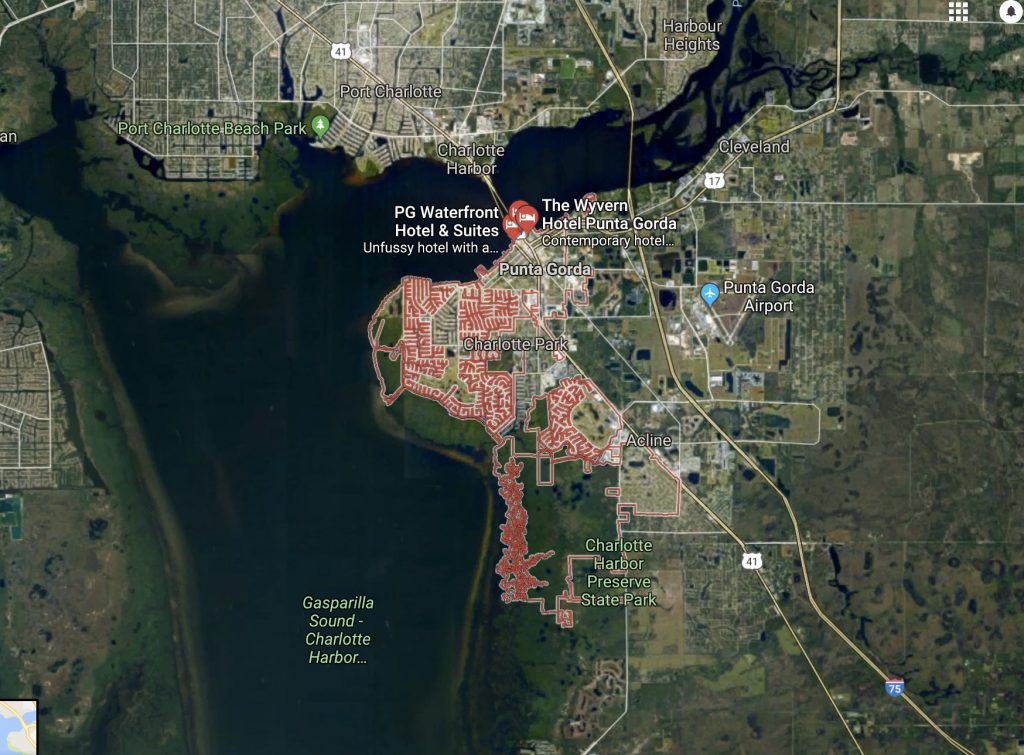
Punta Gorda on the west coast has reported the third highest construction employment growth in the nation by percentage in the year ending Nov. 2017, according to federal employment data, the Associated General Contractors of America (AGCA) reports. The Charlotte County community reported that employment increased from 4,000 to 4,800 in the year.
Other Florida communities reported varying levels of growth with , with overall statewide construction employment increasing by 44,500 from 487,200 to 531,700, a nine percent increase. (Nearby Cape Coral-Fort Myers reported the only decline, 2 percent, from 26,300 to 25,800 in the yea)r:
Data* for other areas includes:
- Cape Coral-Fort Myers, Const, mining, logging 26,300 25,800 -2% -500 325
- Crestview-Fort Walton Beach-Destin, Const, mining, logging 6,600 6,700 2% 100 250
- Deltona-Daytona Beach-Ormond Beach, Const, mining, logging 12,500 14,200 14% 1,700 16
- Fort Lauderdale-Pompano Beach-Deerfield Beach, Div. Construction 44,900 49,600 10% 4,700 46
- Gainesville, Const, mining, logging 5,300 5,500 4% 200 187
- Jacksonville, Construction 38,700 40,300 4% 1,600 187
- Lakeland-Winter Haven, Const, mining, logging 12,900 13,700 6% 800 130
- Miami-Miami Beach-Kendall, Div. Construction 44,300 45,000 2% 700 250
- Naples-Immokalee-Marco Island, Const, mining, logging 15,500 17,000 10% 1,500 46
- North Port-Sarasota-Bradenton, Const, mining, logging 22,500 24,700 10% 2,200 46
- Ocala, FL Const, mining, logging 7,300 7,600 4% 300 187
- Orlando-Kissimmee-Sanford, Construction 69,300 74,500 8% 5,200 85
- Palm Bay-Melbourne-Titusville, Const, mining, logging 12,800 14,500 13% 1,700 20
- Panama City, Const, mining, logging 5,000 5,600 12% 600 27
- Pensacola-Ferry Pass-Brent, Const, mining, logging 11,000 11,300 3% 300 223
- Port St. Lucie, Const, mining, logging 10,100 10,500 4% 400 187
- Punta Gorda, Const, mining, logging 4,000 4,800 20% 800 3
- Sebastian-Vero Beach, Const, mining, logging 3,900 4,000 3% 100 223
- Tallahassee, Const, mining, logging 7,400 7,900 7% 500 109
- Tampa-St. Petersburg-Clearwater, Construction 75,300 76,000 1% 700 267
- West Palm Beach-Boca Raton-Delray Beach, Div. Construction 35,900 39,700 11% 3,800 33
(References: Community, category (smaller districts include mining and logging in totals), number of employees Nov. 2016, number of employees Nov. 2017, percentage increase (decrease), total gain (loss), and national ranking.)
Nation-wide, the AGCA says construction employment increased in 269 out of 358 metro areas between December 2016 and December 2017, declined in 43 and stagnated in 46. Association officials said new infrastructure funding would help ensure firms continue to expand their headcount in 2018.


“Construction employment continues to expand amid robust private-sector demand in many parts of the country,” said Ken Simonson, the association’s chief economist. “But with public-sector funding lagging, there is little doubt that more firms would be able to expand their headcount this year if Congress would enact a substantial boost in infrastructure projects, as many members of both parties advocate.”
Riverside-San Bernardino-Ontario, CA added the most construction jobs during the past year (14,300 jobs, 15 percent), followed by Las Vegas-Henderson-Paradise, NV (10,800 jobs, 18 percent); New York City, NY (10,100 jobs, 7 percent); San Antonio-New Braunfels, TX (7,900 jobs, 15 percent) and Phoenix-Mesa-Scottsdale, AZ(7,600 jobs, 7 percent). The largest percentage gains occurred in the Cheyenne, WY metro area (25 percent, 800 jobs), followed by Wenatchee, WA (21 percent, 500 jobs); Punta Gorda, (20 percent, 800 jobs); Omaha-Council Bluffs, NB-IA (19 percent, 4,800 jobs); and Las Vegas-Henderson-Paradise, NV (18 percent, 10,800 jobs).
The largest job losses from December 2016 to December 2017 were in Columbia, SC (-3,200 jobs, -20 percent), followed by Kansas City, MO (-2,800 jobs, -10 percent); Middlesex-Monmouth-Ocean, NJ (-1,200 jobs, -3 percent); Bergen-Hudson-Passaic, NJ (-1,100 jobs, -4 percent) and Milwaukee-Waukesha-West Allis, WI (-1,100 jobs, -4 percent). The largest percentage decreases for the year were in Grand Forks, ND-MN (-24 percent, -1,000 jobs) followed by Columbia, SC; Danville, IL (-20 percent, -100 jobs) and Kansas City, MO.
Association officials said that firms in many parts of the country have continued to expand as private-sector demand for new construction projects continues to hit record levels. They cautioned, however, that public-sector funding for roads and bridges declined in 2017 making it hard for many firms that build infrastructure to expand. Worse, lagging investments in infrastructure will lead to greater economic inefficiency as traffic grows, bridges age and waterways continue to degrade, they warned.
“One of the biggest threats to the current economic expansion is that our aging infrastructure will cause shipping and traffic delays, which will raise costs, slow schedules and create new inefficiencies,” said Stephen E. Sandherr, the association’s chief executive officer. “Rebuilding public infrastructure will help our economy remain competitive and ensure that construction employers continue to add jobs.”